


From the Academy Class archive, April 2015. Ainsley Jacobs spoke to us about moving from office administration towards graphic design. This is his account of his ambitions and training at that time; it does not report a subsequent career outcome.
After almost a decade in office administration, Ainsley wanted work that offered more creativity and a new challenge. He was interested in using Illustrator to create logos and more complex drawings.

“I want to specialize in Illustrator work such as designing logos and more complex drawings,” said Ainsley. “I would love to work full time in a creative environment rather than in my current office environment where the work can be pretty monotonous.”
He explained that he wanted to become a graphic designer and felt there were no prospects involving computer graphics in his existing role.
“I also feel I’m capable of working in a more rewarding and challenging job. There are no real prospects in my current position involving computer graphics, so I need to do something about it to move on.”
His interest had developed through reading, watching videos and trying design software. He had previously studied multimedia and earned qualifications in that field, alongside practising independently at home.
Ainsley wanted to develop his Photoshop, Illustrator and InDesign skills. These tools support different parts of a design workflow: image editing, vector artwork and page layout. Knowing the software is only part of the task; a designer also needs to interpret a brief and make choices that serve the intended audience.
“At home, I practice using Adobe Photoshop, Illustrator and Indesign whenever I have the time”, said Ainsley.
He researched training options online and read Academy Class testimonials before deciding to enrol.
“I decided to make an investment and let them train me,” he said.
At the time of the interview, Ainsley was still training and said he felt more confident with the software. He described his qualifications and plans using the certification names current in his original account.
“I’ve just completed my ACA qualification in Indesign with Academy Class having also achieved ACA qualifications in both Photoshop and Illustrator over the past year as well. I am also looking to study for an ACE qualification in Photoshop in the near future too.”
Those ACA and ACE references are historical. Check the current course details and assessment arrangements when choosing training today.
“The tutors are not only excellent, they are also very helpful and friendly. The facilities are also very good too – I wouldn’t have any hesitation booking a course again.”
“I have learned so many things during my studies that have helped me such as keyboard shortcuts and project planning techniques.”
Ainsley’s next goal was to build a portfolio that showed his work across the three applications. He was exploring his own creative preferences, including whether he preferred clean lines and bold colours or more intricate designs.
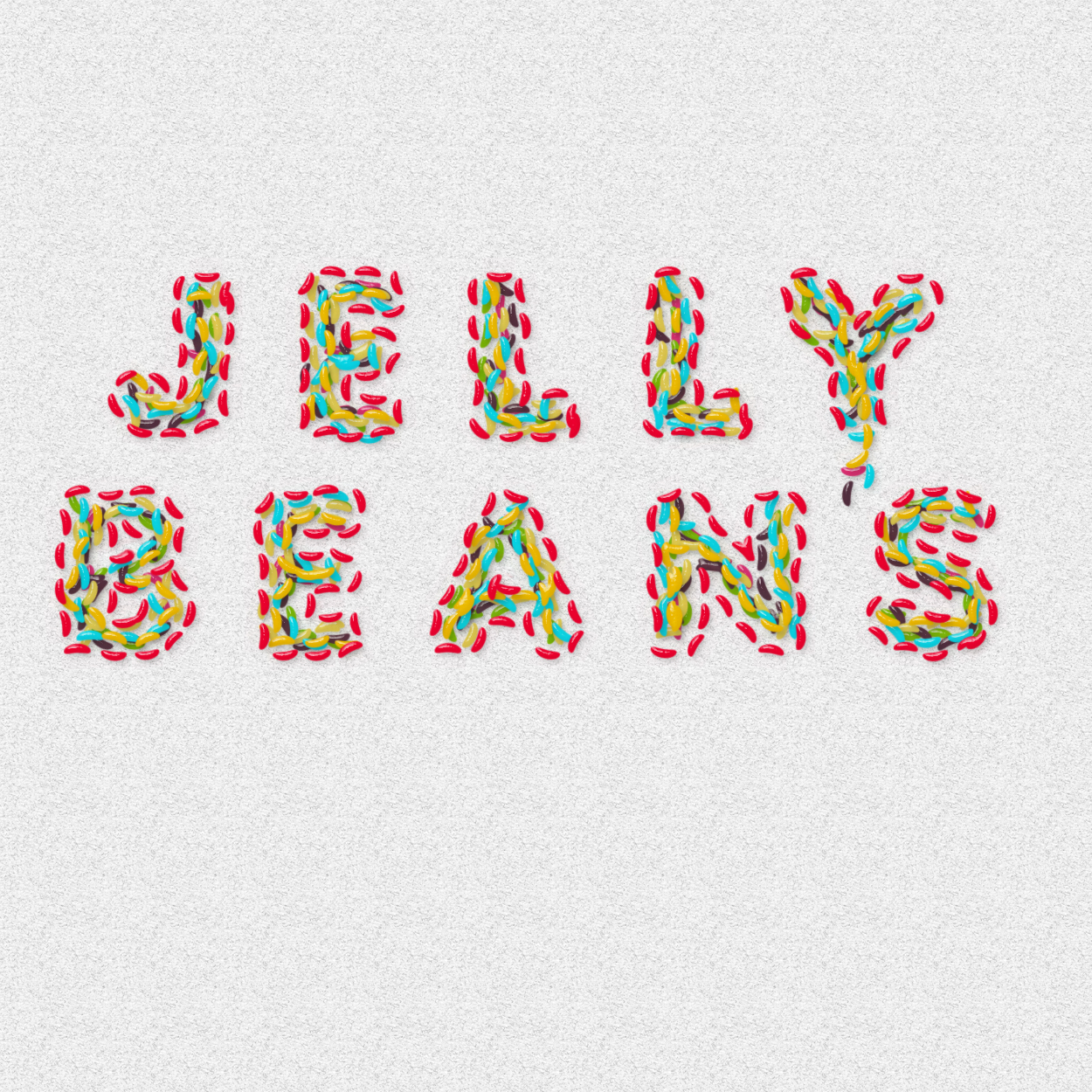
“I want to include my Photoshop, Illustrator and Indesign work in my portfolio,” he continued.
“Once I have built one strong enough, I will then look to showcase it on Behance and other creative websites.”
Practice was central to his progress. He said that repeated work helped him complete tasks more efficiently.
“Practice makes perfect and the more practice I put in, the less time it has taken me to do things,” he concluded.

Ainsley hoped to work in a creative environment and eventually run his own business. These were aspirations expressed in 2015, rather than outcomes established by this article.
“As for the future, I would love to work for some of the biggest companies in the world like Google and Apple. However, the most important thing is job satisfaction.”
“Ten years from now I would love to have my own graphic design business where I am my own boss and I could avoid the daily rush hour!,” he concluded.
For readers considering a similar move, the useful starting point is to identify the work you want to make, practise against realistic briefs and assemble examples that explain your decisions. Training can support that process; a course alone does not guarantee a role or a particular career outcome.
Explore training that matches the type of work you want to develop: Photoshop for image editing, Illustrator for vector artwork and InDesign for page layout.

